Andrei Rublev Pantheon
Tickets

On sale viff.org
About
“Art exists to help us deal with the world’s imperfections.” — Andrei Tarkovsky.
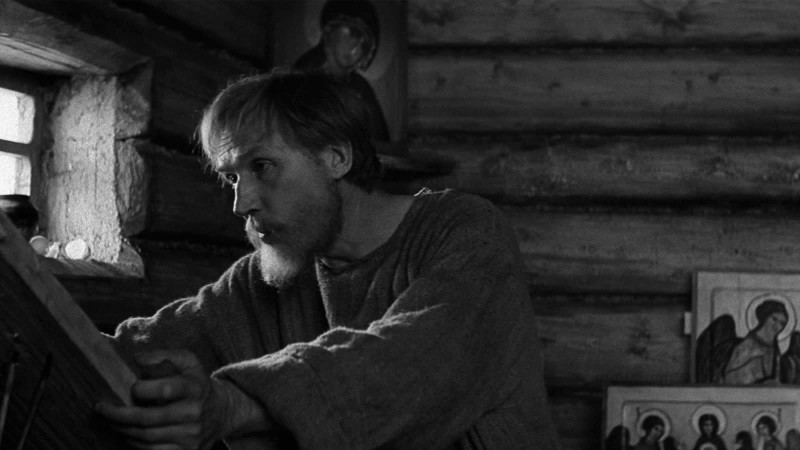
Andrei Tarkovsky’s vast and vivid episodic epic tells the story of a Russian monk and painter of religious icons 1400-1428, during the time of the Tartar invasions. Such is the death and destruction around him, Rublev takes a vow of silence. Yet his painting reflects not only his faith in God, but also his compassion for humanity.
Not much is known about the real man, though his works have survived and are venerated in Russia. For Tarkovsky and his co-writer Andrei Konchalovsky(later to direct Runaway Train) the artist is a kind of redeemer, the conscience of his nation.
The Soviet censors immediately banned screenings of the film, deciding that it was a negative commentary on the current political situation in the Soviet Union. As a result, it wasn’t shown uncensored to Russian audiences until 1988, after Tarkovsky’s death and the year of Rublev’s canonisation.
Sunday’s Pantheon screening will feature a 15-minute introduction by a local film scholar and be followed by an audience talkback.
Perfection lingers in each frame as Tarkovsky crafts one of the finest films ever made, an ecstatic story about art that has little interest in the artist himself, but in the power of art to transcend the age that produces it.
Jamie Russell, BBC
It is one of the most profound and moving experiences that cinema has ever conveyed.
John Bleasdale, CineVue
Andrei Tarkovsky’s vast and vivid episodic epic tells the story of a Russian monk and painter of religious icons 1400-1428, during the time of the Tartar invasions. Such is the death and destruction around him, Rublev takes a vow of silence. Yet his painting reflects not only his faith in God, but also his compassion for humanity.
Not much is known about the real man, though his works have survived and are venerated in Russia. For Tarkovsky and his co-writer Andrei Konchalovsky(later to direct Runaway Train) the artist is a kind of redeemer, the conscience of his nation.
The Soviet censors immediately banned screenings of the film, deciding that it was a negative commentary on the current political situation in the Soviet Union. As a result, it wasn’t shown uncensored to Russian audiences until 1988, after Tarkovsky’s death and the year of Rublev’s canonisation.
Sunday’s Pantheon screening will feature a 15-minute introduction by a local film scholar and be followed by an audience talkback.
Perfection lingers in each frame as Tarkovsky crafts one of the finest films ever made, an ecstatic story about art that has little interest in the artist himself, but in the power of art to transcend the age that produces it.
Jamie Russell, BBC
It is one of the most profound and moving experiences that cinema has ever conveyed.
John Bleasdale, CineVue