Downpour
Tickets

On sale thecinematheque.ca
About
“A wise and beautiful film Beyzaie never received the support he deserved from the government of his home country, and it’s painful to think that this extraordinary film, once so popular in Iran, was on the verge of disappearing forever.”
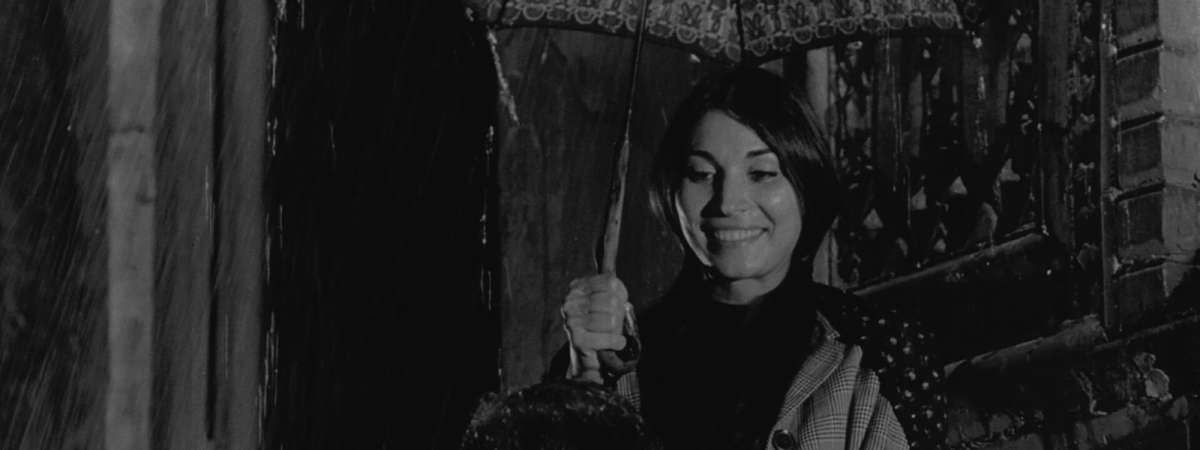
Bahram Beyzaie’s first feature, one of the key films that launched the Iranian New Wave, established the dynamic that informs most of his films: the stranger in a new town. Hekmati (Parviz Fannizadeh) is a teacher. He arrives with a cart full of belongings, stoic airs, and little in common with the village of which he is now the newest member. When he meets Atefeh (Parvaneh Massoumi), the guardian and older sister of one of his students, he is soon compelled, in a way that escapes his intellectualizing, to confess a romantic interest. Beyzaie uses this melodramatic, slightly dreamlike set-up to establish a range of distinct perspectives. In Downpour the focus isn’t on Mr. Hekmati, but how he might be perceived, and how this affects how the village views itself. The film’s restoration was painstakingly performed on Beyzaie’s personal print, the only copy known to have survived the revolution.
In Farsi with English subtitles
“Packed with invention, wit, and breakneck energy.”
“One of the most accessible and beloved Iranian New Wave films Manages with astounding success to blend [Beyzaie’s] roots in theatre, literature, and film history with a story that, even to this day, resonates powerfully with Iranians.”
Bahram Beyzaie’s first feature, one of the key films that launched the Iranian New Wave, established the dynamic that informs most of his films: the stranger in a new town. Hekmati (Parviz Fannizadeh) is a teacher. He arrives with a cart full of belongings, stoic airs, and little in common with the village of which he is now the newest member. When he meets Atefeh (Parvaneh Massoumi), the guardian and older sister of one of his students, he is soon compelled, in a way that escapes his intellectualizing, to confess a romantic interest. Beyzaie uses this melodramatic, slightly dreamlike set-up to establish a range of distinct perspectives. In Downpour the focus isn’t on Mr. Hekmati, but how he might be perceived, and how this affects how the village views itself. The film’s restoration was painstakingly performed on Beyzaie’s personal print, the only copy known to have survived the revolution.
In Farsi with English subtitles
“Packed with invention, wit, and breakneck energy.”
“One of the most accessible and beloved Iranian New Wave films Manages with astounding success to blend [Beyzaie’s] roots in theatre, literature, and film history with a story that, even to this day, resonates powerfully with Iranians.”